Physiolution turns the most unpredictable part of oral drug development into something you can model, test and act on. Built on decades of multidisciplinary expertise, our proprietary methodologies connect human GI physiology with biopredictive dissolution and PK/PD simulations to reveal failure modes before they appear in vivo.
Simulating the physical forces and luminal conditions experienced by a dosage form
Identifying potential formulation failures early in the development cycle.
Simulating the physical forces and luminal conditions experienced by a dosage form
Realistic Simulation for Reliable Results
Physiolution’s specialized test devices are designed to realistically simulate the mechanistic and physicochemical conditions of gastrointestinal transit.
By accurately replicating the pressure, movement, and dynamic pH profiles encountered in the gut, our technology provides a superior level of mechanistic fidelity compared to traditional methods. This ensures a realistic assessment of formulation robustness and an improved correlation with human pharmacokinetic data, effectively reducing regulatory hurdles and increasing confidence in the development stage.
We use our own GI simulators, low-volume systems and PK software to turn complex gastrointestinal physiology into predictable data for your projects.
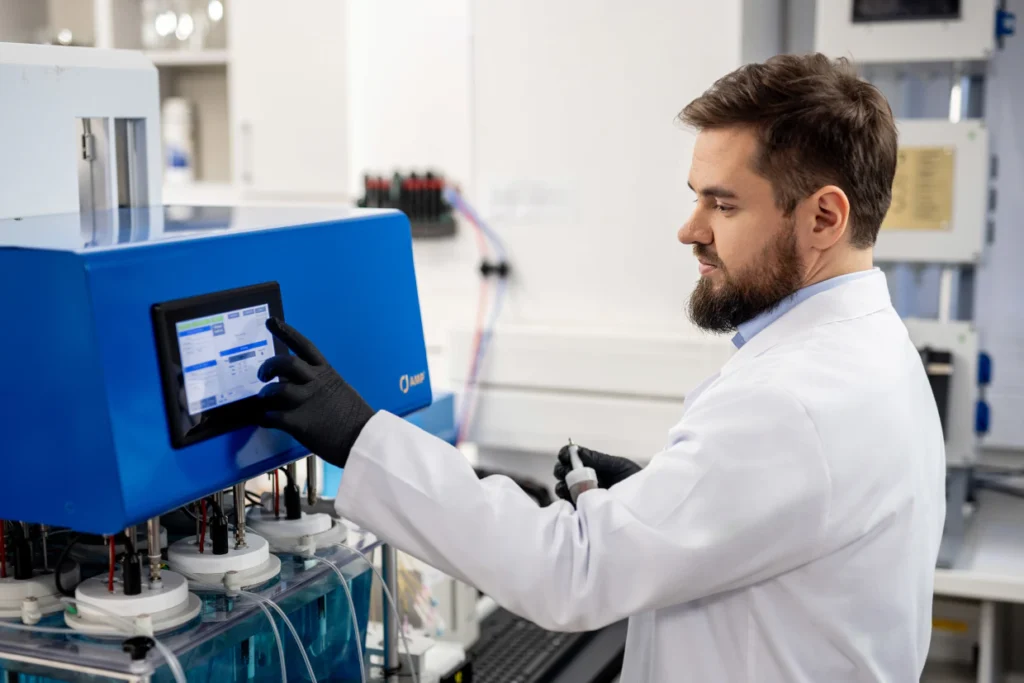
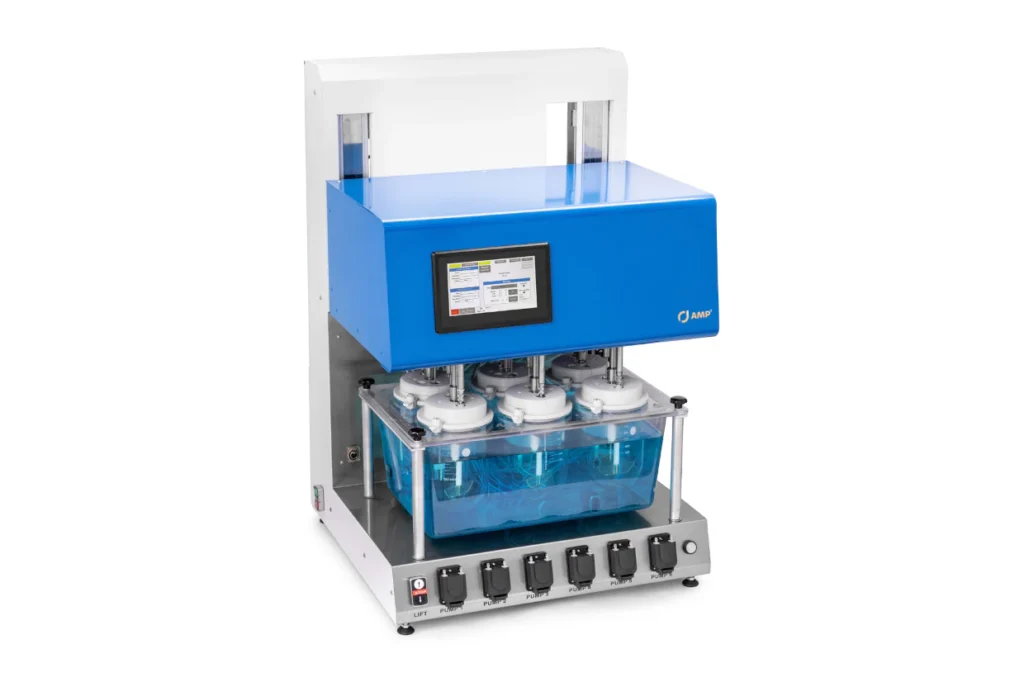
AMP™ is a modular platform simulating motility, pH, digestion, and transfer to predict complex formulation behaviour along GI transit.
pHysio-grad® and loVol® create low-volume setups to generate realistic pH gradients and quickly screen solubility and dissolution where high-volume tests fail.
Compass™ and LADMEos2™ turn biopredictive data into PK simulations and BE trials, predicting concentration–time profiles and Cmax/AUC differences.
The efficacy of our devices and procedures is of great practical relevance. The applicability of Physiolution’s technology has been successfully verified across a wide spectrum of clinical examples and integrated into the routine testing of oral medicines worldwide. We empower developers to make data-driven decisions that enhance the biopharmaceutical reliability of their pipelines and ensure the safety of the final therapeutic product.