Oral drug development becomes unpredictable where standard tests stop being physiological. Physiolution addresses this with biopredictive in vitro experiments, mechanistic GI simulation, and tailored PK/biopharmaceutics modelling. We design studies around key decisions to generate evidence that reduces risk in formulation, bioequivalence, and clinical outcomes.


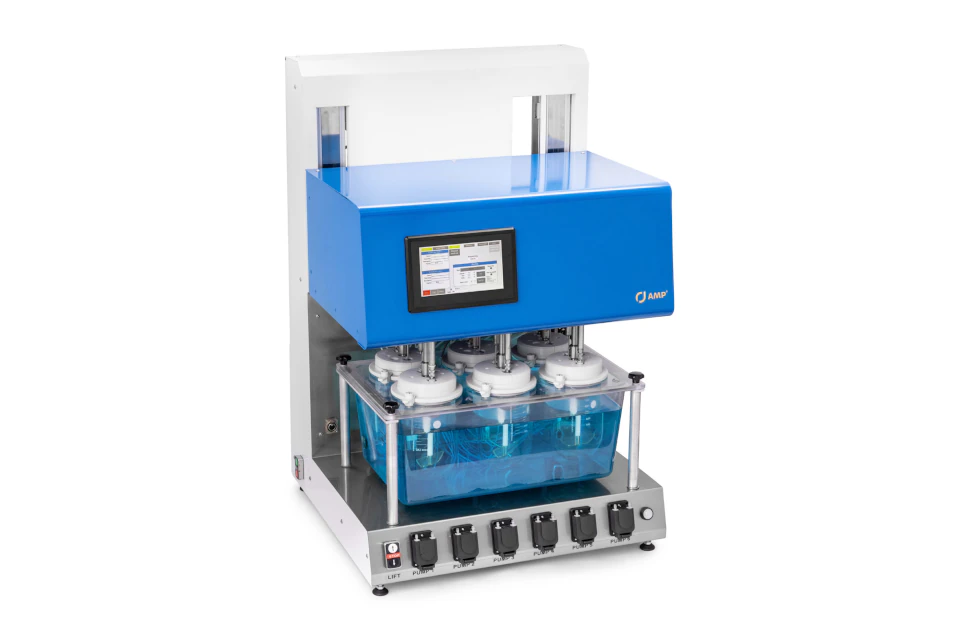
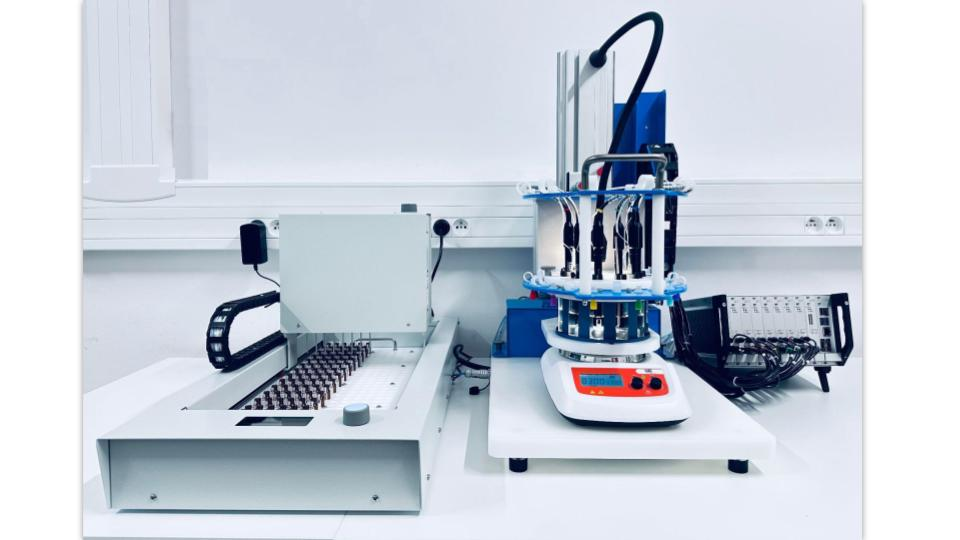
Our approach for the characterization of MR formulations involves screening procedures under bio-relevant conditions, as well as detailed characterization in border test protocols, complex dissolution media, and simulation of special populations and pathological conditions. We simulate fasted and fed intake conditions in our multitool dissolution apparatus – AMP™ – through composition of the dissolution medium (hydrogen carbonate buffers, lipid emulsions, FaSSIF, FeSSIF), addition of digestion enzymes, pH fluctuations (dynamically-adjusted realistic pH profiles), pressure events and temperature gradients. Importantly, we follow the approach of Quality by Design, by tailoring proposed tests to the needs of our clients and formulation requirements.

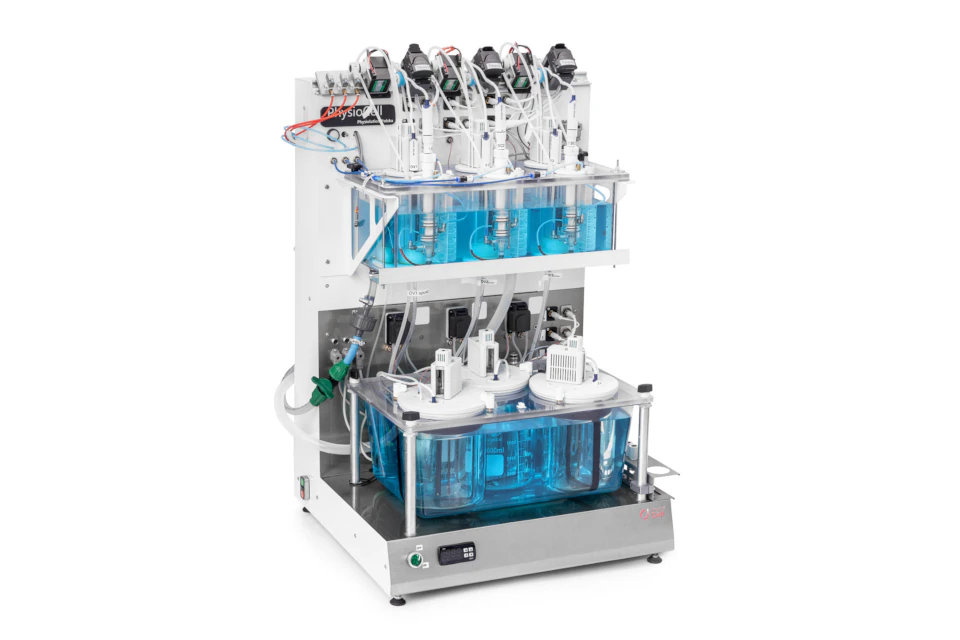
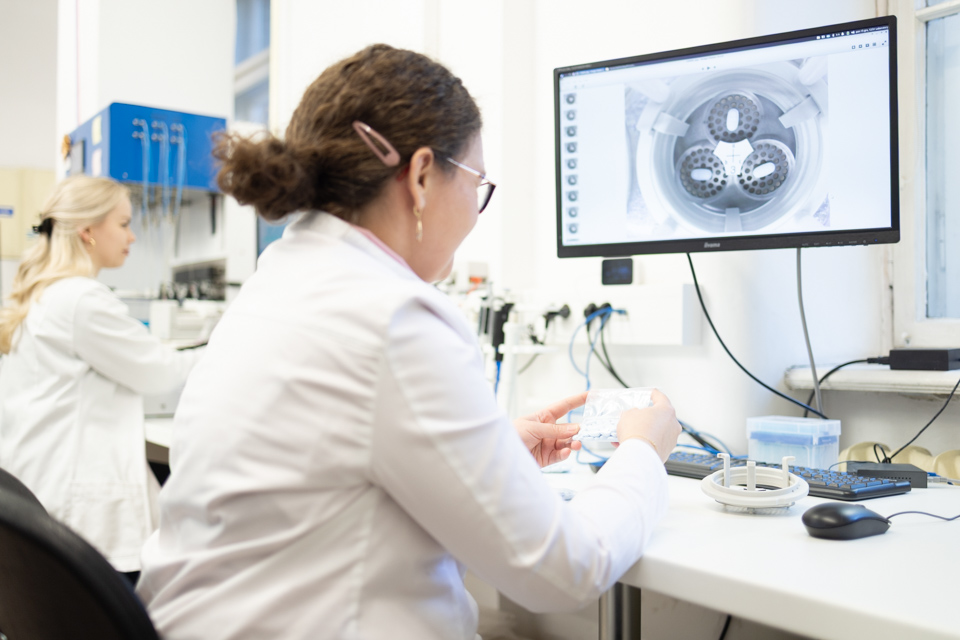
The disintegration test holds a special place at Physiolution. This simple, yet powerful experiment provides answers to big questions: does the formulation disintegrate well if the temperature gradient of the dissolution medium is applied? Or when the medium has a composition and a consistency of a digested meal? We perform the test in unstirred conditions – as spontaneous disintegration represents the worst case scenario; and in PhysioCell® – testing the resistance of a formulation towards simulated motility forces. We truly recommend this test for all dosage form prototypes, as it can eliminate the most common formulation errors.


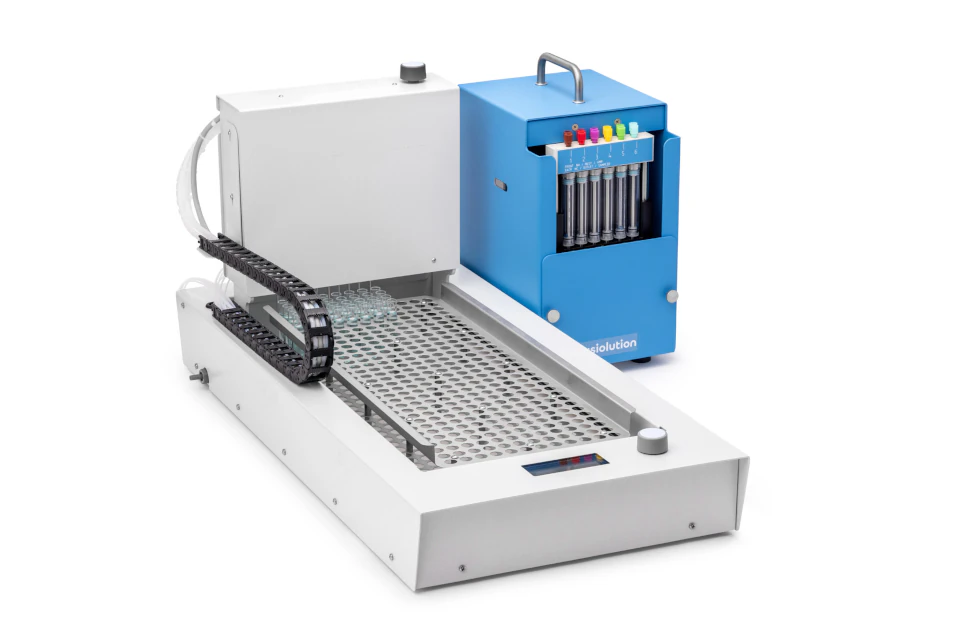
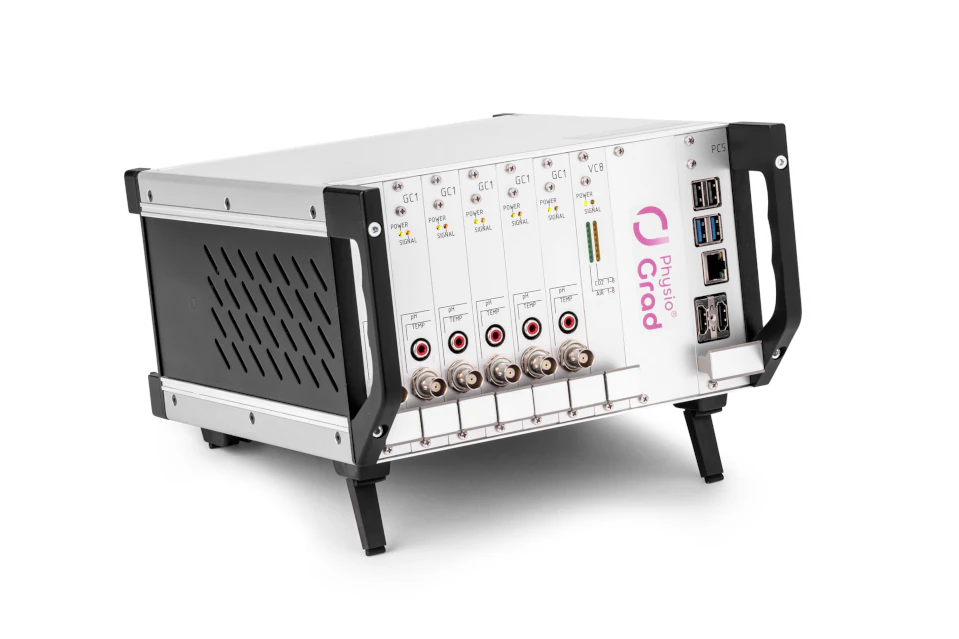
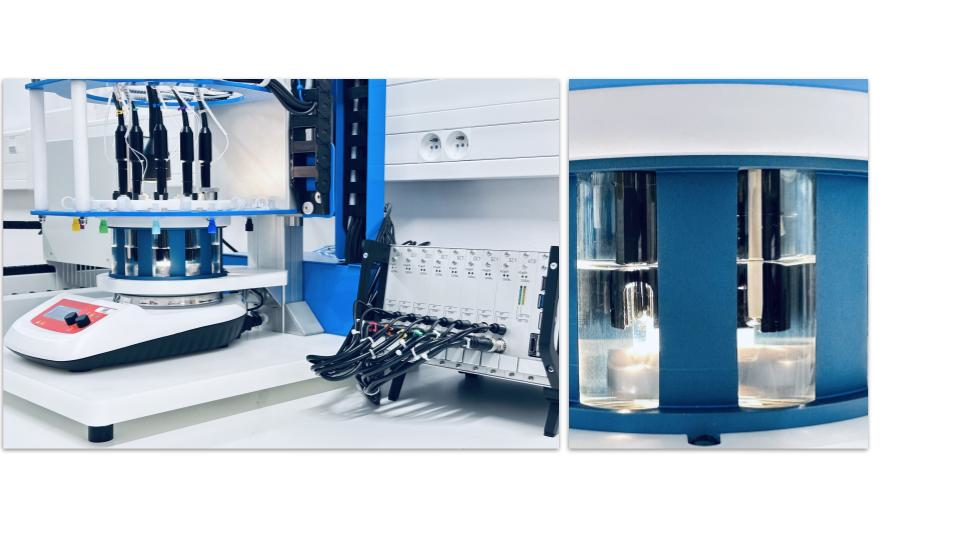
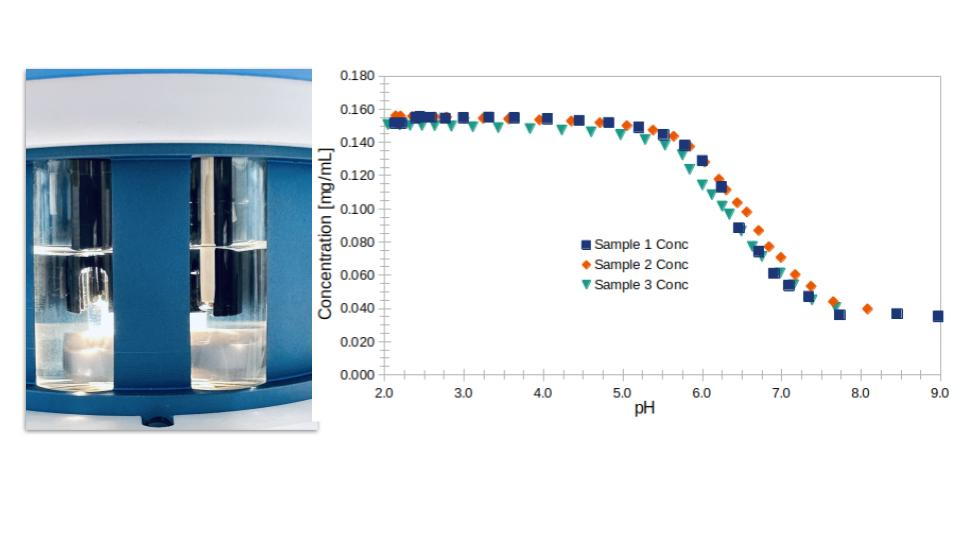
We recognize how valuable sample material is during formulation development. That’s why we created a sample-saving loVol® device for solubility studies in low volumes of dissolution media. Coupling of the device with pHysio-grad® allows for testing samples in hydrogen carbonate buffers, as well as performing 2-stage experiments and simulating intestinal pH gradients. We also conduct solid-state analysis to evaluate API behavior. Together, these capabilities make it an ideal solution for rapid screening of formulation concepts under truly physiological conditions.


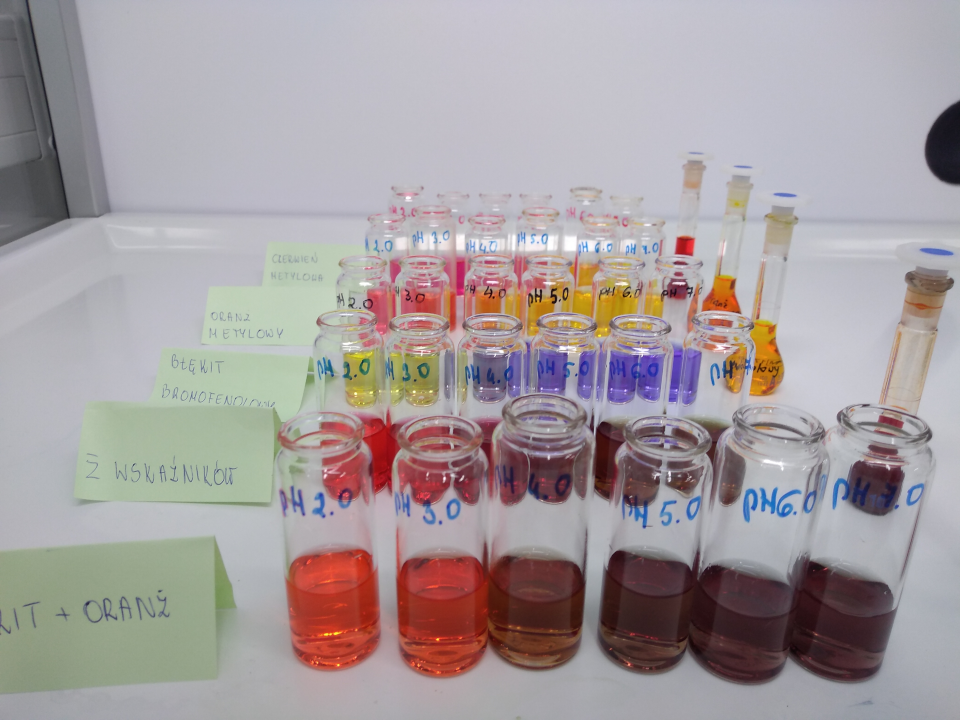
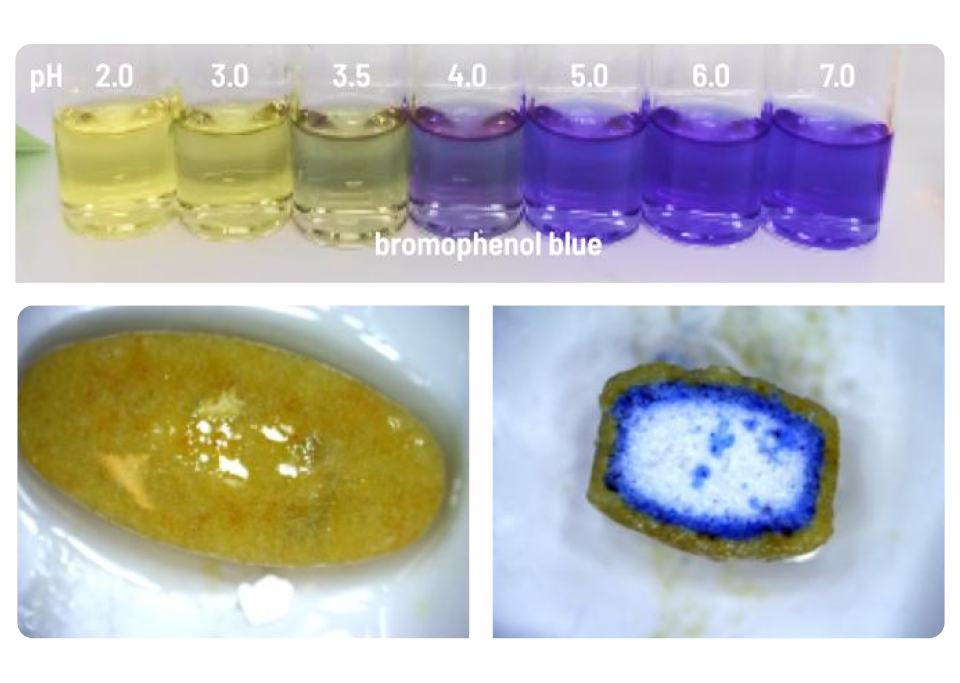
Understanding the formation and stability of microenvironmental pH is essential for predicting dosage form performance. Our specialized test protocol uses a pH indicator in the dissolution medium to visualize pH shifts near the formulation surface or within its cross-section. We also monitor microenvironmental pH in real time during dissolution as the drug or pH modifiers are released. These insights provide valuable guidance for rational and efficient drug development.


We have established a protocol to evaluate biomolecules stability in the human gastrointestinal environment. The assessment includes testing across relevant pH conditions and in the presence of key digestive enzymes such as pepsin and pancreatin. This approach helps identify the most robust biomolecules candidates and supports predictions of oral efficacy for developed formulations.


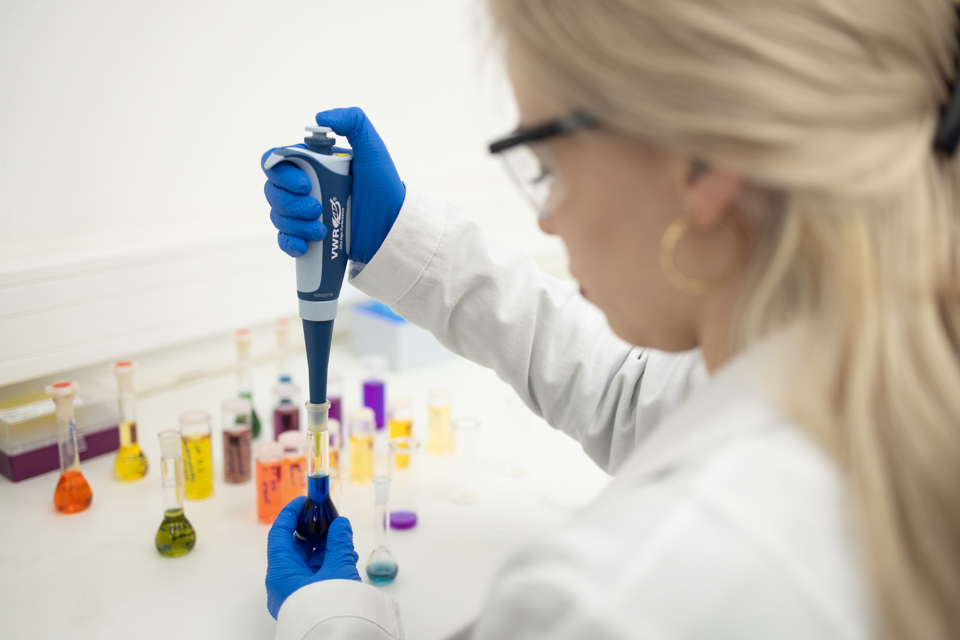
We provide support in developing analytical methods using UV-VIS spectroscopy, High-Performance Liquid Chromatography, and Ultra-Performance Liquid Chromatography for the quantification of small molecules and biomolecules. Our particular strength lies in creating robust methods for samples in complex dissolution media such as milk, lipid emulsions, and FaSSIF or FeSSIF.


For our pharmacokinetic and biopharmaceutics modeling we use our proprietary software, including Compass™ and LADMEos2™. We also specialize in building fit-for-purpose models to diligently describe the dissolution and pharmacokinetic performance of the tested formulations. Thus, our PK simulations and modelling are always tailored to our clients’ requirements and specific use cases. For the best performance, we strongly rely on the results from biopredictive dissolution experiments conducted in our laboratory.